


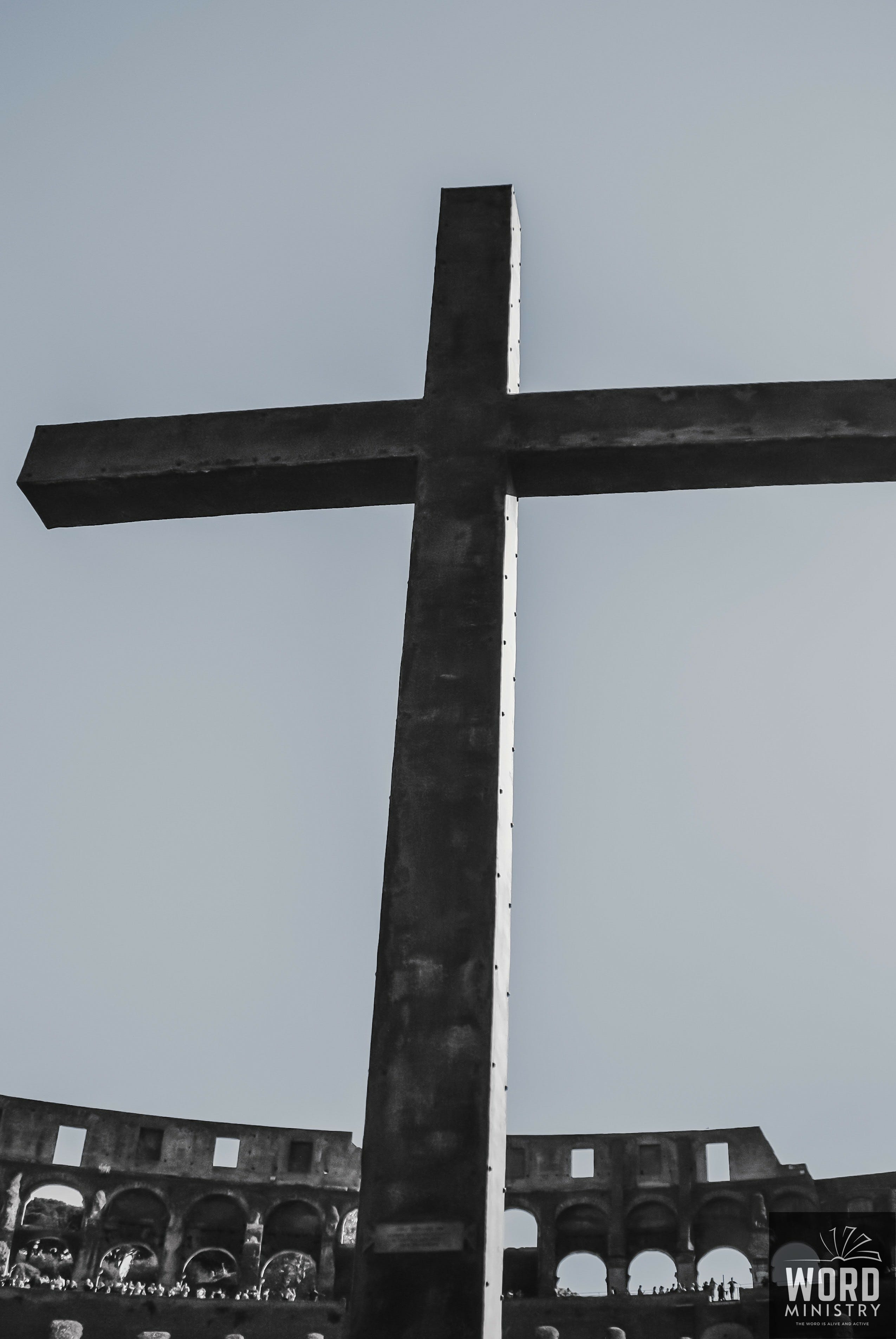
A 3 Part Reflection on History and Redemption
Standing within the colossal, sun-baked walls of the Roman Colosseum, you feel the weight of history—and myth. The atmosphere is heavy with the phantom cheers of 50,000 spectators and the whispers of tradition. For centuries, this ruin has stood as a monument to Roman power and, perhaps more potently for believers, to early Christian martyrdom.
But on our trip, a simple statement from our local guide made me pause. I asked her about the fate of the early Christians here, expecting tales of lions and saints. Her reply was succinct and, at first, jarring: “No Christians were killed here. Only criminals.”
Wait. Only criminals?
My immediate thought was this: What if the Christians were first unjustly charged as criminals?
And that’s the kernel of the historical truth you quickly realize about Roman justice. The early Christians weren’t persecuted for praying privately; they were executed because their beliefs led them to commit acts that the Romans considered crimes against the state and society.
The main charge was based on their refusal to offer incense to the Emperor or the Roman gods, which was classified as treason and atheism. They were seen as jeopardizing the Pax Deorum (the Peace of the Gods) that was believed to protect the Empire. They were not simply martyrs; they were, in the cold eyes of Roman law, felons who threatened the very stability of the Empire. The test was often straightforward: those accused of being Christians were offered pardon if they would “offer incense and wine before your image... and curse Christ” [5].
The line between “martyr” and “criminal” was often a single legal decree.
This distinction—between a person’s spiritual reality and their legal classification—is what stuck with me long after I left the echoing stones of the Flavian Amphitheatre. And it led me to a challenging question from another famous execution scene: the cross.