


The storming of Normandy on June 6, 1944, was an act of supreme sacrifice, tactical precision, and unwavering purpose. To frame Christian discipleship through this lens is to strip away the idea that faith is merely a passive Sunday morning activity. Instead, it reframes faith as a deliberate, active mission into the heart of a fallen world.
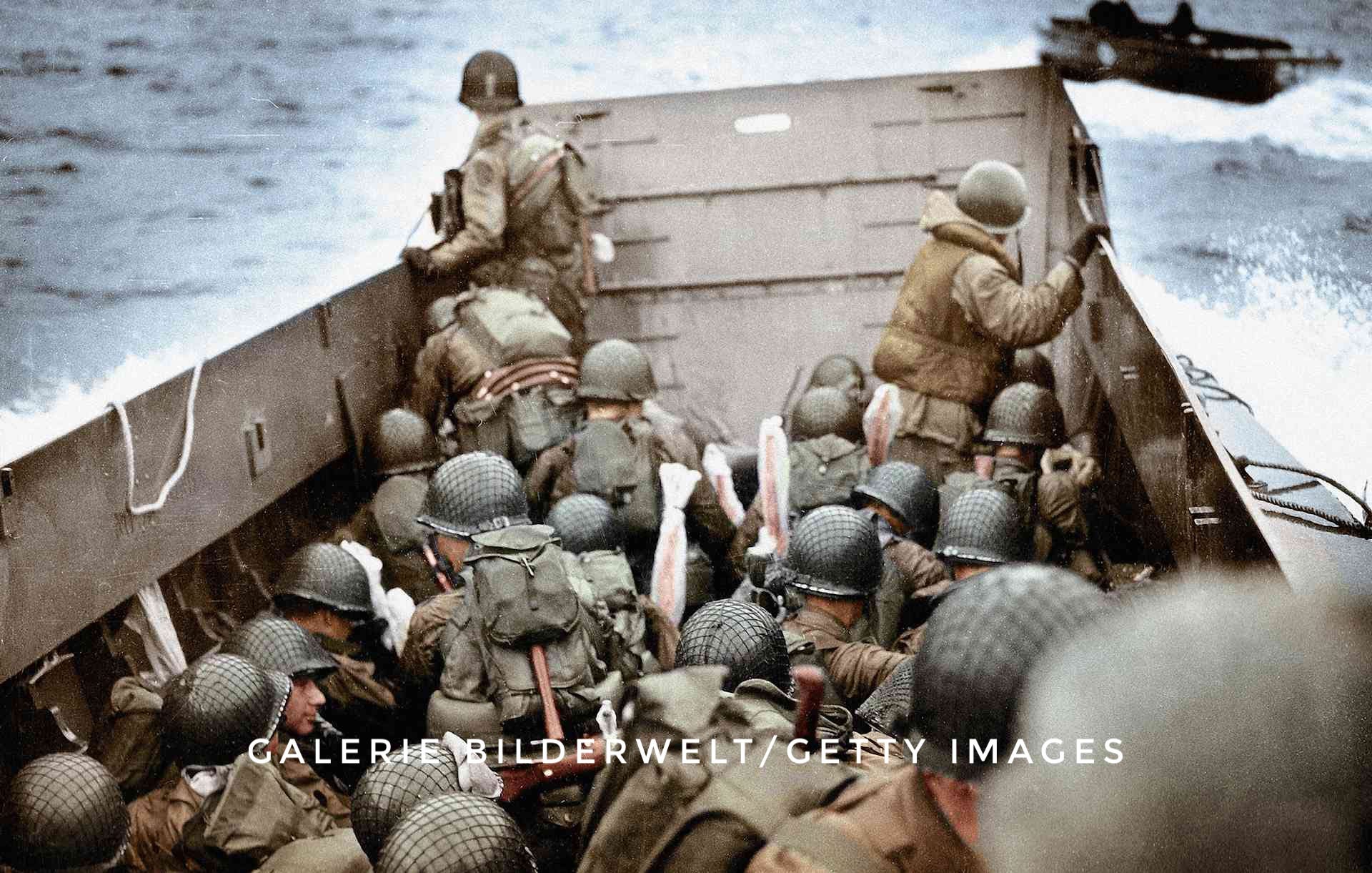
If you are a "soldier" hitting the beachhead of your daily life—your school, your future career, your friend groups—how do you live out this calling?
1. Understanding the Mission: The "Great Commission"
On D-Day, the soldiers did not arrive at the beaches by accident; they were sent on a specific mission to liberate occupied territory. As a Christian, your mission is not to "fit in," but to be an agent of light in a place of darkness.
"Go therefore and make disciples of all nations, baptizing them in the name of the Father and of the Son and of the Holy Spirit, teaching them to observe all that I have commanded you." — Matthew 28:19-20
Your beachhead is your sphere of influence. Whether you are navigating the pressures of high school, preparing for college, or starting a career, you are being deployed into specific environments that need the values of the Kingdom of God. Being a soldier means understanding that you were sent there on purpose.
2. The Nature of the Conflict: Spiritual Fortitude
The soldiers at Normandy faced a dug-in enemy. In the Christian life, the conflict is not against people, but against the ideologies, cynicisms, and brokenness of the world that distract people from truth and love.
"Put on the whole armor of God, that you may be able to against the schemes of the devil. For we do not wrestle against flesh and blood, but against the rulers, against the authorities, against the cosmic powers over this present darkness, against the spiritual forces of evil in the heavenly places." — Ephesians 6:11-12
To be a soldier is to be armored. This means you must be proactive in your spiritual life: studying Scripture, cultivating prayer, and staying intellectually and emotionally grounded. You cannot survive on the beachhead if you are caught unprepared.
3. The Necessity of the Platoon: Strength in Unity
No soldier stormed the cliffs of Normandy alone. The success of the invasion relied on squad-level cohesion—the person to your left and your right. One of the greatest mistakes a young Christian can make is trying to live out their faith as a "lone wolf."
"And let us consider how to stir up one another to love and good works, not neglecting to meet together, as is the habit of some, but encouraging one another, and all the more as you see the Day drawing near." — Hebrews 10:24-25
Discipleship requires community. You need a "platoon"—a group of peers, mentors, and friends who challenge you, cover your blind spots, and keep you accountable. When you are pinned down by temptation or doubt, you need someone who will reach out and pull you forward.
4. Moving Inland: The Goal of Sanctification
The objective of D-Day was never to stay on the beach. Staying on the beach meant death; the goal was to push inland, liberate the territory, and secure the future. In the Christian life, this is the process of sanctification—the ongoing work of becoming more like Christ.
"Brothers, I do not consider that I have made it my own. But one thing I do: forgetting what lies behind and straining forward to what lies ahead, I press on toward the goal for the prize of the upward call of God in Christ Jesus." — Philippians 3:13-14
Many Christians get "stuck on the beach." They are content with their initial salvation but refuse to grow, change, or take risks. Being a soldier means "pressing on." It means constantly evaluating your character, refining your motives, and pushing past your comfort zone to mature in your faith.
The Call to Duty
Hitting the beachhead requires courage. It requires the willingness to be the first one out of the boat when it feels easier to hide, to speak truth when it is unpopular, and to serve others when you would rather be served.
You have been placed in this generation for a reason. You are not a civilian in a conflict of values; you are a participant. As you prepare for the next chapter of your life, ask yourself:
"Am I comfortable staying on the beach, or am I ready to move inland and fulfill the mission I was created for?"